
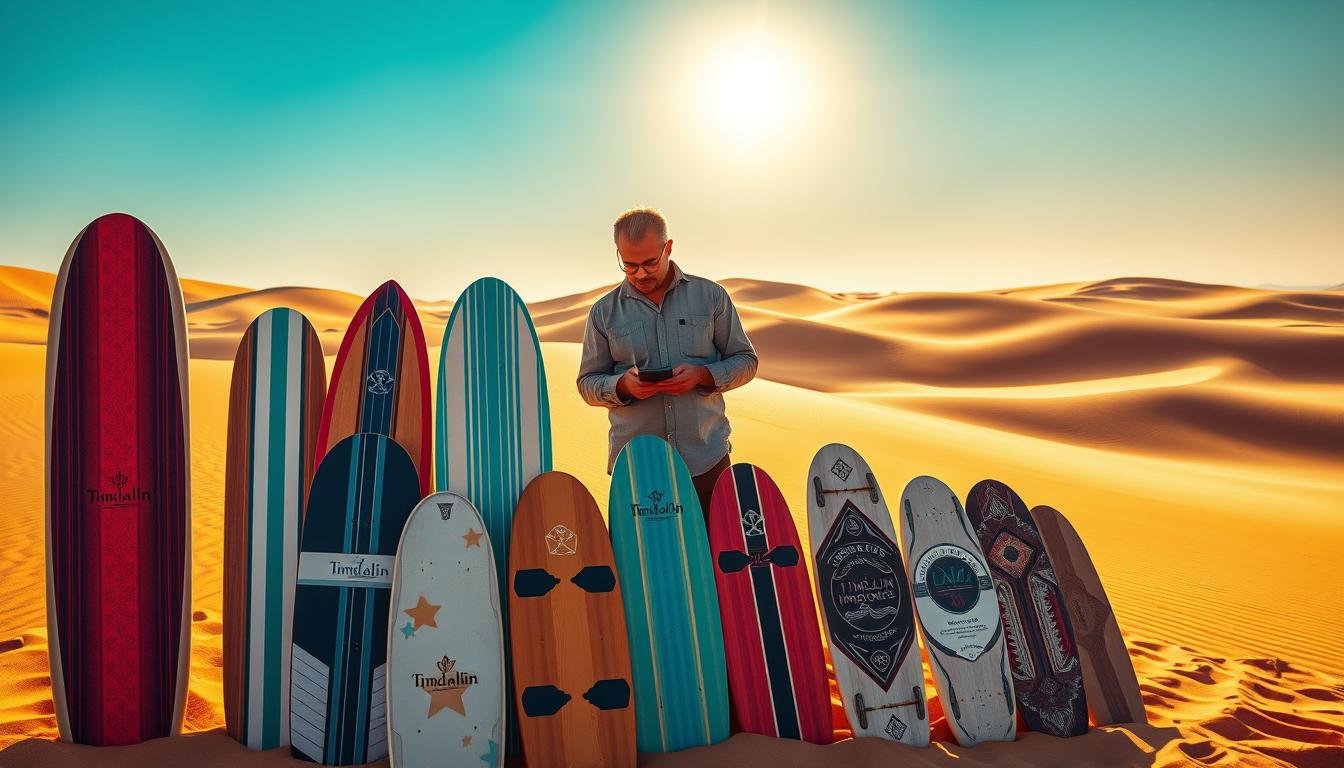
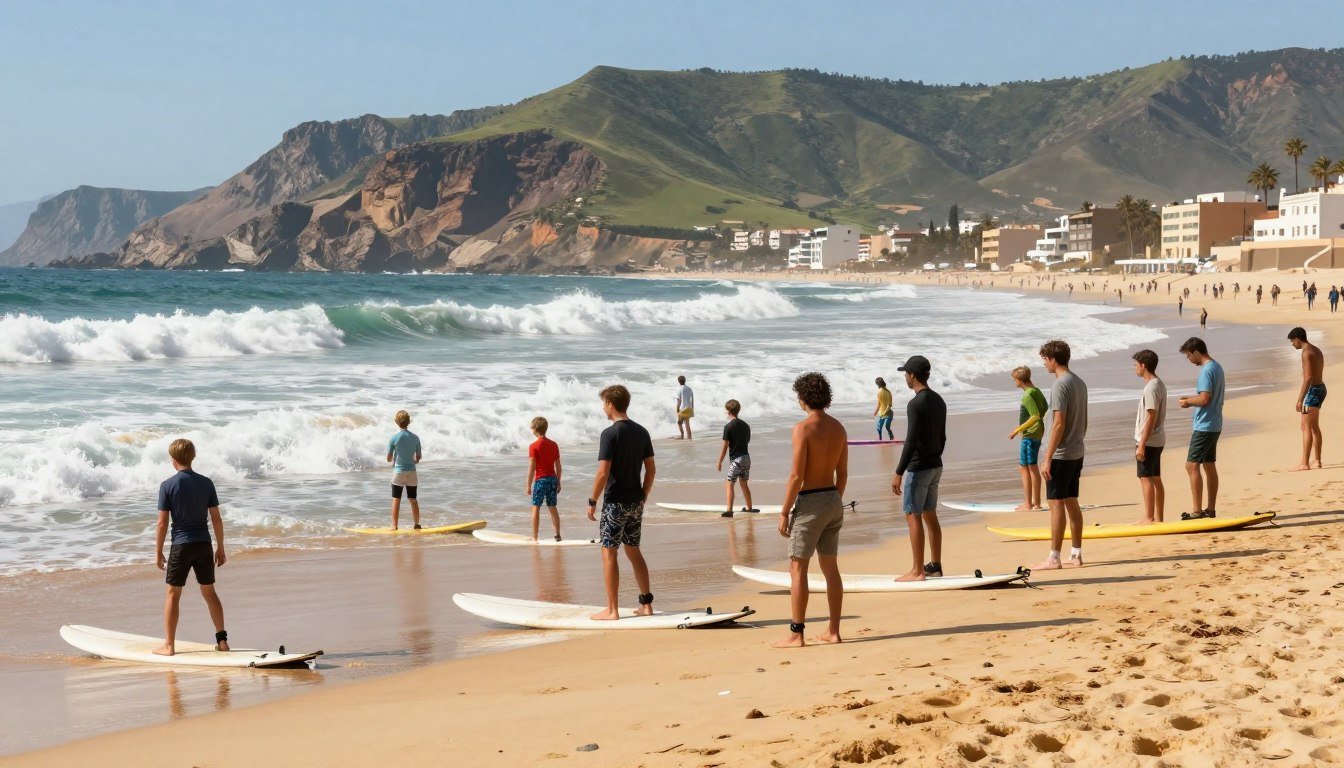
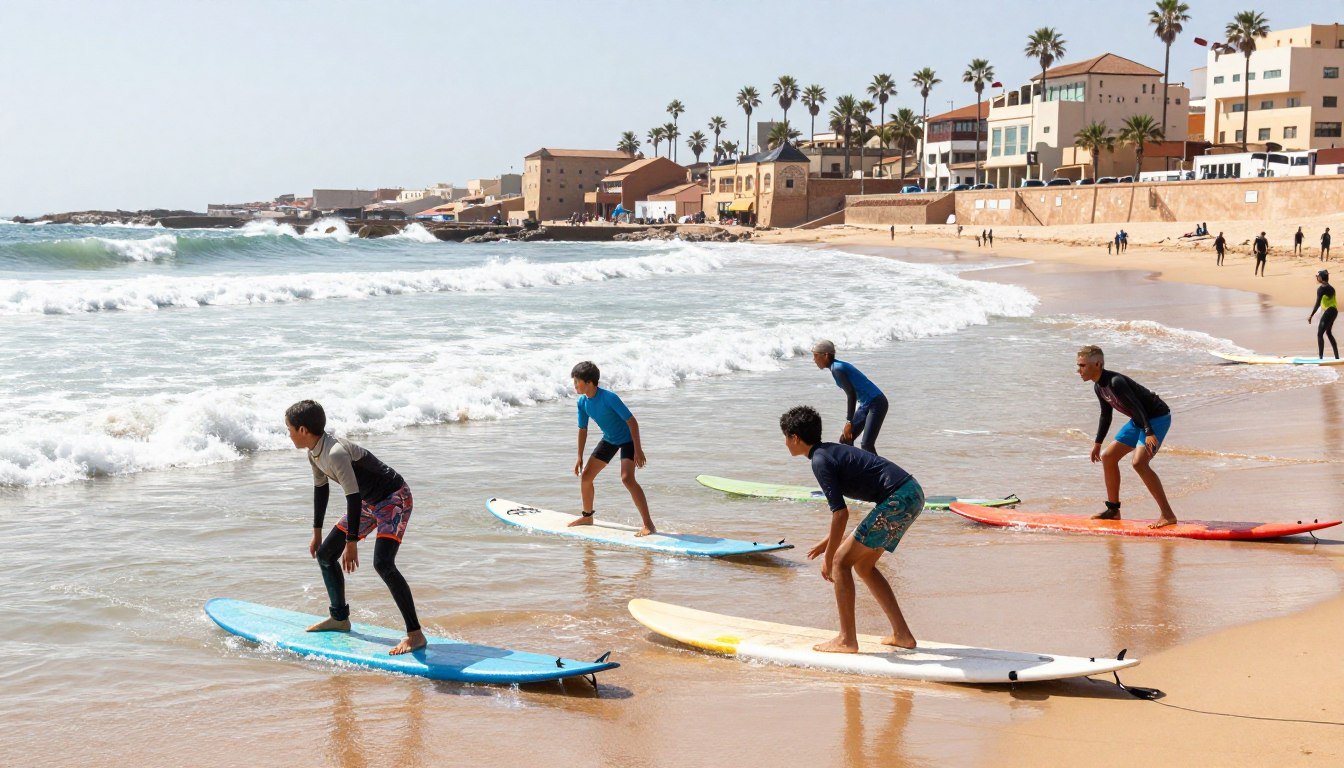
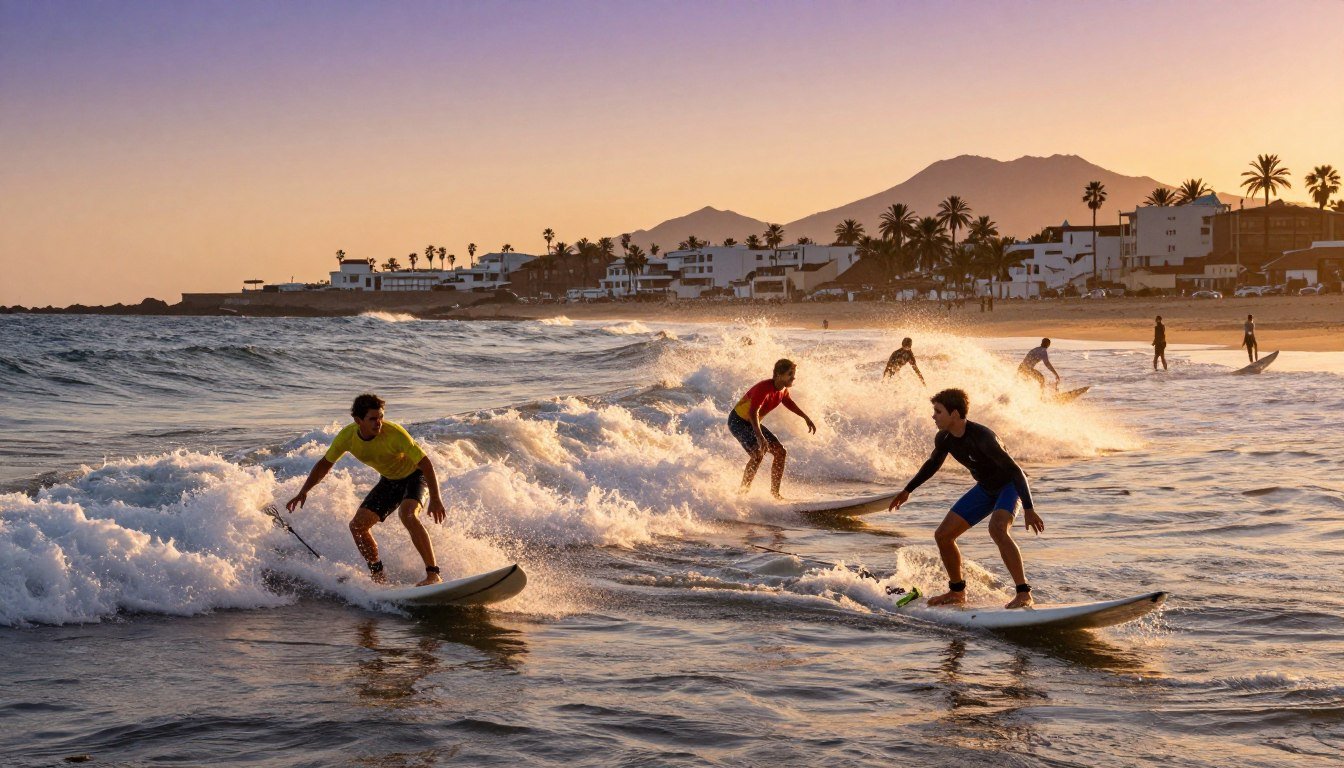
Exploring Morocco’s vast, golden landscapes is thrilling for all adventurers. Whether you’re new or experienced, the right gear is key for a smooth ride. This ultimate guide to sandboarding gear will help you navigate the desert confidently.
Knowing the terrain is crucial before your trip. Different slopes need specific boards for speed and control. Learning how to choose the right sandboard for dunes boosts your safety and fun.
We aim to prepare you for the Sahara’s challenges. Our expert advice will help you slide across the sand like a pro. Let’s explore how to pick your perfect setup.
Key Takeaways
- Select a board based on the specific steepness and texture of the sand.
- Waxing your base is essential for maintaining speed on hot, dry surfaces.
- Proper foot bindings provide better stability and control during high-speed descents.
- Always inspect your equipment for damage before heading into remote areas.
- Matching your skill level to your gear ensures a safer and more fun experience.
Understanding the Basics of Sandboarding
Get ready to explore the world of sandboarding, where golden dunes become your playground. It’s a mix of snowboarding excitement and desert adventure. Whether you’re new or experienced, the sand’s ever-changing surface offers endless thrills.
What is Sandboarding?
Sandboarding means sliding down sand dunes on a special board. The boards are like snowboards but made for sand. Proper wax application helps them glide smoothly.
You can ride standing up or sitting down, depending on the dune’s steepness. It’s a fun way to enjoy nature and test your balance. Many find it safe and accessible for all ages.
History of Sandboarding
The sport’s origins are unclear, but it likely started with ancient desert cultures using wooden planks. It became popular in the 1970s and 1980s among extreme sports fans. Today, it’s a global sport with competitions and advanced equipment.
In Morocco, sandboarding is a key part of desert tourism. Local guides help beginners learn quickly. The evolution of board materials has made the sport faster and more fun.
Popular Sandboarding Locations in Morocco
Morocco has stunning landscapes for sandboarding. The golden dunes offer endless paths to explore. We recommend visiting these iconic spots for an unforgettable desert adventure.
| Location | Dune Height | Best Experience |
|---|---|---|
| Merzouga | High | Sunrise rides |
| Erg Chigaga | Very High | Off-road adventure |
| M’hamid | Moderate | Beginner friendly |
Each location has its own vibe and challenges. Merzouga is the top spot with its massive dunes. Plan your trip for cooler months for the best sandboarding experience.
Types of Sandboards Available
Choosing the best sandboard for dunes means knowing how design affects your ride. We’ve looked at the market to help you pick the right one. You’ll see how different styles and features work.
Soft Top vs. Hard Top Boards
Soft top boards are great for beginners. They offer extra stability and buoyancy on sand. The foam deck is soft, making falls safer for newbies.
Hard top boards are for speed lovers. Made from dense materials, they glide faster on steep dunes. If you’re after speed, a hard top is your best bet.
Different Shapes and Sizes
The board’s shape affects how it moves on the sand. Wider boards float better on soft sand. Narrower boards are better for quick turns and control.
Board length is key too. Longer boards track well on straight paths. Shorter boards are agile for complex dunes.
Specialty Boards for Advanced Riders
Advanced riders seek boards with special bases and rocker profiles. These features boost performance and responsiveness on tough slopes.
| Board Type | Primary Benefit | Skill Level |
|---|---|---|
| Soft Top | Stability | Beginner |
| Hard Top | Speed | Intermediate |
| Specialty | Performance | Advanced |
Choosing the right sandboard depends on your goals and the terrain. Match your board to your skill level for a better desert adventure.
Key Features to Consider When Choosing a Sandboard
Finding the right sandboard can seem tough, but focusing on key specs makes it easier. Learning how to choose the right sandboard for dunes ensures your board lasts many seasons. This is especially true in the Moroccan desert.
Durability of the Material
The dunes’ harsh environment demands a board that can handle constant friction and heat. Look for high-pressure laminate bases or specialized plastics that resist deep scratches from silica sand. A durable board keeps its speed and structure even after many runs down steep slopes.
Weight and Portability
Hiking up massive dunes is part of the sport, so your gear’s weight is crucial. Choose a board that’s sturdy but has a lightweight core, like poplar or high-density foam. This makes carrying your gear across the Sahara’s shifting sands easier.
Customization Options
Customizing your setup lets you tailor the ride to your style and comfort. Many riders prefer adjustable foot bindings for better control during fast descents. You can also pick custom base graphics or specialized wax pockets to improve performance on different sands.
| Feature | Standard Board | Performance Board |
|---|---|---|
| Material | Basic Plastic | Laminate/Composite |
| Weight | Moderate | Ultra-Light |
| Customization | Limited | Fully Adjustable |
By carefully looking at these technical aspects, you’re on your way to choosing the perfect sandboard for your next adventure. Focus on quality materials and portability to enjoy longer rides and every moment on the dunes.
Assessing Your Skill Level
Choosing the right equipment starts with knowing your sandboarding skills. We think it’s key to match your gear with your abilities. This ensures you stay safe and have fun on the dunes.
Beginner Sandboarding Tips
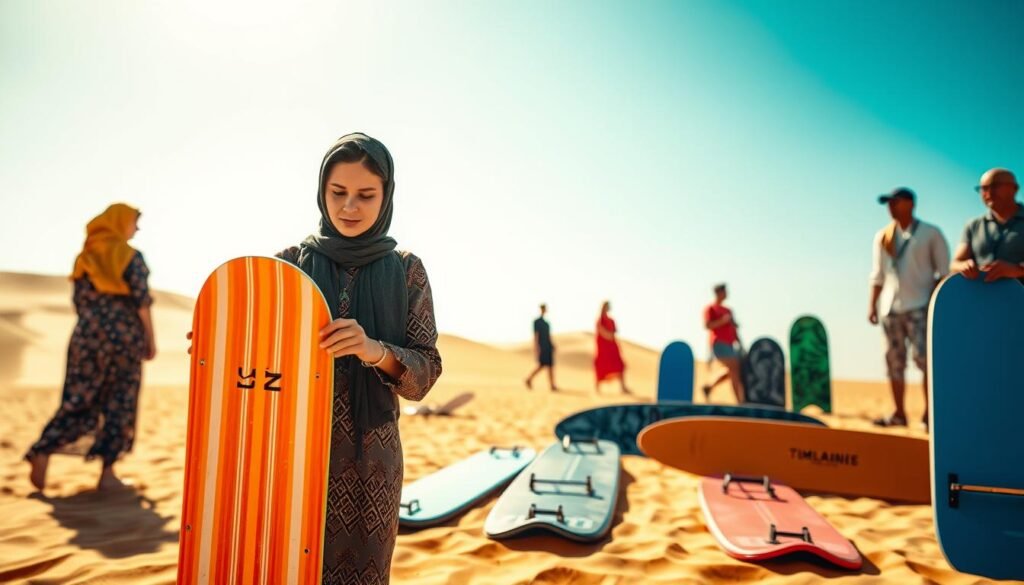
For beginners, start with a wider, more stable board. These boards help you balance better, which is important when learning to ride in Morocco’s shifting sands.
Keep your weight centered and your knees bent to control the board. These tips will help you feel more confident as you get better.
Intermediate and Advanced Riders
When you get better, you might want a board that’s faster and more responsive. Riders who are more experienced often like narrower boards with a more aggressive base.
These boards let you make sharper turns and go faster on tough terrain. Try out different shapes to find the one that fits your style best.
Choosing the Right Board for Your Skill Level
We’ve outlined the main differences in board needs based on your skill level. Use this guide to pick the perfect sandboard for your next adventure.
| Skill Level | Board Width | Base Material | Primary Focus |
|---|---|---|---|
| Beginner | Wide | High-Density Plastic | Stability |
| Intermediate | Medium | Laminate/Formica | Control |
| Advanced | Narrow | Specialized Wax-Base | Speed |
Remember, the right sandboarding tips are as important as the board. Always wear safety gear and listen to local advice for a great time on the dunes.
Ideal Sandboard Dimensions for Dunes
Finding the right board dimensions is key for mastering Morocco’s dunes. When looking for the best sandboard for dunes, consider how the board shape interacts with the desert terrain. The right size helps you stay balanced while carving through the sand.
Length and Width Considerations
The board’s length affects your stability at high speeds. A longer board gives more surface area, helping you glide over soft sand. When selecting a sandboard for dune riding, choose a length that matches your height and weight for the best float.
Width is also crucial for control during sharp turns. A wider board is more stable, great for beginners. A narrower board is better for quick turns, ideal for experienced riders.
Thickness of the Board
The board’s thickness affects its durability and flex. A thicker board is stiffer, better for speed on steep slopes. But, a thinner board flexes more, offering a smoother ride over uneven surfaces.
Remember, sandboard size and design considerations depend on the sand type. Thicker boards resist silica sand’s abrasiveness, making them last longer in the desert.
How Board Size Affects Performance
Your board’s dimensions impact its speed and maneuverability. Larger boards are for speed and stability, while smaller ones are for tricks and tight turns. The table below shows how dimensions affect your ride.
| Dimension | Impact on Speed | Impact on Control |
|---|---|---|
| Longer Length | Increases speed | Reduces agility |
| Wider Width | Neutral | Increases stability |
| Increased Thickness | Increases speed | Reduces flexibility |
The perfect board balances these factors. By choosing dimensions that fit your style, you’ll perform better on Morocco’s dunes. Always try different sizes to find what feels right.
Materials Used in Sandboard Construction
The materials in your sandboard are key to how you move on the dunes. When you slide across Morocco, the board’s makeup affects your ride. We look for boards that are light, strong, and glide well for the best experience.
Common Materials Explained
Most boards mix high-pressure laminates with special plastics. These keep the board solid against desert sand’s heat and grit. High-pressure laminates keep shape well, and specialized plastics make the board smooth.
- High-Pressure Laminates: They’re strong and don’t warp easily.
- Specialized Plastics: They cut down friction and stop sand from sticking.
- Wood Cores: They add a natural flex for smoother rides.
How Material Affects Speed
The base material greatly affects your speed. A board with a dense plastic base goes faster than one with a rough surface. The goal is to reduce friction for better speed on all slopes.
| Material Type | Speed Potential | Durability |
|---|---|---|
| High-Density Plastic | High | Excellent |
| Laminate Composite | Medium | Very High |
| Standard Wood | Low | Moderate |
When facing different sands, like the Sahara’s fine grains, heat resistance matters. Boards that get too hot can slow you down. Look for materials that cool down fast to keep your speed up.
Eco-Friendly Options
The adventure sports world is moving toward green manufacturing. Many riders want boards made from recycled plastics or wood composites. These choices aim to lessen our sport’s environmental impact without losing quality.
Going green doesn’t mean you have to give up on quality. Today’s tech lets us make strong, eco-friendly gear. By choosing these boards, you help protect the dunes we love.
The Importance of Base Design
The base of your sandboard is key to your ride across the dunes. It’s where you touch the sand, affecting your speed and control. When selecting a sandboard for dune riding, focus on the material and finish of the bottom. This ensures a smooth ride.
Base Types and Their Advantages
Modern boards use materials that reduce friction. You’ll often find Formica, laminate, and high-density polyethylene (HDPE). Formica bases are loved for their hardness and speed on steep slopes.
Laminate bases are durable and flexible. HDPE is great for repairs, as it can be waxed easily. Each material handles friction differently.
| Material | Durability | Speed Potential |
|---|---|---|
| Formica | High | Excellent |
| Laminate | Medium | Good |
| HDPE | High | Moderate |
How the Base Affects Sand Interaction
The interaction between your board and the sand is complex. Heat from friction can make sand stick if the surface isn’t treated right. A smooth, high-quality base reduces drag, keeping you moving on flat parts of the dune.
The base’s texture affects how it tracks the terrain. A flat base is stable, while concaves help with steering. Knowing about sandboard size and design considerations helps you ride Morocco’s diverse dunes.
Choosing the Right Base for Dune Conditions
Your choice depends on the dune environment. In dry, fine sand, a hard base is best to avoid friction. For damp or packed sand, a wax-friendly base keeps your speed up.
Check the base for damage before riding. A damaged base slows you down and makes steering hard. Keeping your base in good shape means every dune trip is fast and fun.
Popular Sandboarding Brands to Consider
Our team has put together a list of top manufacturers to make shopping easier. Choosing the right gear is crucial for mastering Morocco’s dunes. We focus on brands that excel in performance, safety, and durability.
Overview of Leading Brands
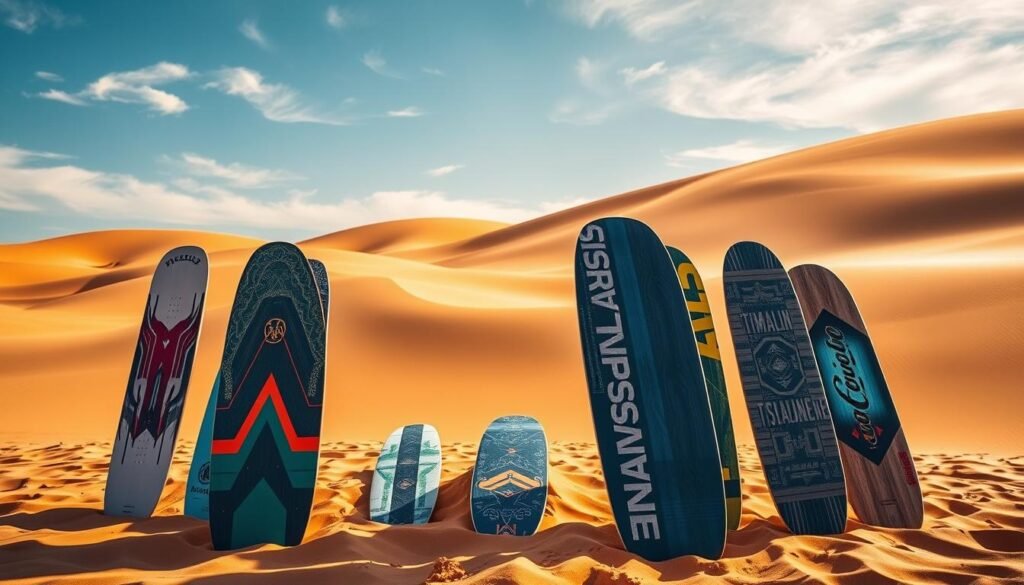
Several brands stand out for their quality. Venom Sandboards is known for its high-performance decks that handle extreme heat well. Airhead offers versatile options for both beginners and intermediate riders.
Local artisans in Morocco also make custom boards for specific dunes. These boards have unique wood finishes and special base materials. When looking for the top sandboards for desert dunes, consider these brands:
- Venom: Known for professional-grade speed and durability.
- Airhead: Excellent for recreational use and family fun.
- Custom Artisan Boards: Best for personalized sizing and aesthetic appeal.
Comparing Price and Quality
Finding the right balance between cost and performance is key. Premium boards offer superior speed and control, while entry-level models are great for casual riders. Here’s a comparison:
| Brand Category | Price Range | Build Quality |
|---|---|---|
| Entry-Level | Low | Standard Plastic |
| Mid-Range | Moderate | Composite Wood |
| Professional | High | High-Density Laminate |
Customer Reviews and Recommendations
Before making a decision, check out recent sandboarding equipment reviews from enthusiasts. These reviews can tell you how a board holds up against desert sand. Look for feedback on base wear and binding comfort.
Reliable sandboarding equipment reviews often highlight the importance of base maintenance. Experienced riders recommend choosing a brand with easy-to-replace base materials. This ensures your investment lasts for many seasons of adventure.
Where to Purchase Sandboards in Morocco
Exploring local markets and online stores for sandboarding gear is exciting. Whether you’re new or experienced, finding the top sandboards for desert dunes needs some local tips and planning.
Online Retailers vs. Local Shops
Deciding between online and local shops depends on your schedule. Online stores offer a wide range of gear, letting you compare features at home.
Local shops in places like Merzouga or M’hamid have the perk of immediate availability. You can see the boards in person and get advice from local experts who know the Sahara’s terrain well.
| Feature | Online Retailers | Local Shops |
|---|---|---|
| Convenience | High | Low |
| Expert Advice | Limited | Excellent |
| Immediate Use | No | Yes |
Tips for Shopping at Local Markets
When you visit souks or sports shops, be open-minded and friendly. Haggling is common in Morocco, so feel free to negotiate prices nicely.
- Always check the board for any visible cracks or structural weaknesses.
- Ask the shop owner about the best wax to use for the local sand conditions.
- Look for shops that cater specifically to adventure sports rather than general souvenir stalls.
What to Look for When Buying
To get the top sandboards for desert dunes, focus on quality. A good board should be sturdy but light enough for the sand.
Make sure the base is smooth and scratch-free. A well-kept base helps with speed and performance on the dunes. Choose boards made from durable materials like high-pressure laminate or specialized plastics that handle heat and friction well.
Maintenance Tips for Your Sandboard
Proper care for your sandboarding gear ensures you get the most out of every dune session. By following our ultimate guide to sandboarding gear, you can extend the life of your board. This keeps it performing well on Morocco’s beautiful dunes.
Cleaning Your Board After Use
Sand is abrasive and can damage your board’s base if left on for too long. After every ride, use a soft cloth or a dry brush to wipe away loose sand particles from the top and bottom surfaces.
If the board is particularly dirty, rinse it with fresh water and mild soap. Always ensure the board is completely dry before you put it away. This prevents moisture buildup.
Storing Your Sandboard Properly
Storing your equipment in the right environment is vital to prevent warping or structural damage. You should keep your board in a cool, dry place away from direct sunlight.
- Avoid leaving your board in a hot car, as high temperatures can soften the materials.
- Store the board flat or upright in a rack to maintain its original shape.
- Keep it away from humid areas to prevent any potential delamination of the base.
Repairs and Upkeep Considerations
Even with the best care, your board may eventually show signs of wear. Regularly checking your gear against sandboarding equipment reviews can help you identify when it is time for a professional tune-up or a replacement.
Small scratches on the base are common and can often be fixed with specialized sandboard wax. For deeper gouges, you might need to use a base repair kit to fill the gaps and restore a smooth surface.
| Maintenance Task | Frequency | Key Benefit |
|---|---|---|
| Wipe down | After every session | Prevents surface abrasion |
| Wax application | Every 3-5 rides | Increases speed and glide |
| Deep inspection | Monthly | Detects structural cracks |
Safety Gear to Use While Sandboarding
Before you start sandboarding in Morocco, safety comes first. The dunes are exciting, but the desert can be tricky. Here are some key sandboarding tips to keep your trip safe and fun.
Essential Safety Equipment
Wearing the right gear is crucial for safety. You need protection for high-speed falls or scrapes.
- Helmet: A multi-sport helmet protects your head from unexpected tumbles.
- Knee and Elbow Pads: These provide crucial cushioning if you lose your balance on steep slopes.
- Goggles: Sand particles can be abrasive, so eye protection is vital during windy conditions.
- Sturdy Footwear: Closed-toe shoes prevent sand from irritating your feet and offer better grip.
Tips for Staying Safe on the Dunes
Mastering your body position is key. Always keep your knees slightly bent. This helps you stay balanced and absorb shocks.
Staying hydrated is also crucial. Carry at least two liters of water to avoid heat exhaustion. Always check the weather before you start to avoid sandstorms.
Recognizing Hazards on the Sand
The desert landscape changes a lot. Always look out for sudden drop-offs that might be hidden by the sun. These can cause you to lose control if you’re moving fast.
Watch out for hidden rocks or hard debris under the sand. If a patch looks darker or harder, steer clear. These sandboarding tips will help you ride the dunes safely and enjoy the thrill.
Planning Your Sandboarding Adventure in Morocco
Your journey across Morocco’s golden dunes is waiting. We aim to make your trip unforgettable. We focus on the best timing and expert support for your desert adventure.
Optimal Seasons for Desert Travel
Visit between October and April for mild weather. Summer heat makes it hard to be active during the day. The cooler mornings are perfect for gliding smoothly.
Top Destinations for Riders
Merzouga is famous for its towering Erg Chebbi dunes. M’hamid El Ghizlane is quieter, ideal for those who prefer peace. Both places have vast landscapes for practicing your skills.
Expert Guidance and Local Support
Get a local guide for safe navigation. Ouarzazate or Marrakech tour operators offer rentals and transport. Group tours are fun and ensure safety. Book now to experience Moroccan sandboarding.
